Integrity Dig Support
Integrity digs are a critical part of pipeline integrity management because they provide the opportunity to physically expose, verify, and assess anomalies identified through in-line inspection or other integrity assessment methods. Effective dig support helps ensure that field findings are properly documented, compared against inspection predictions, and evaluated using appropriate engineering methods so that repair and continued-service decisions are based on verified condition data. Industry integrity-management practices commonly integrate inspection results, excavation findings, engineering assessment, and remediation decisions as part of a structured process for managing pipeline defects.
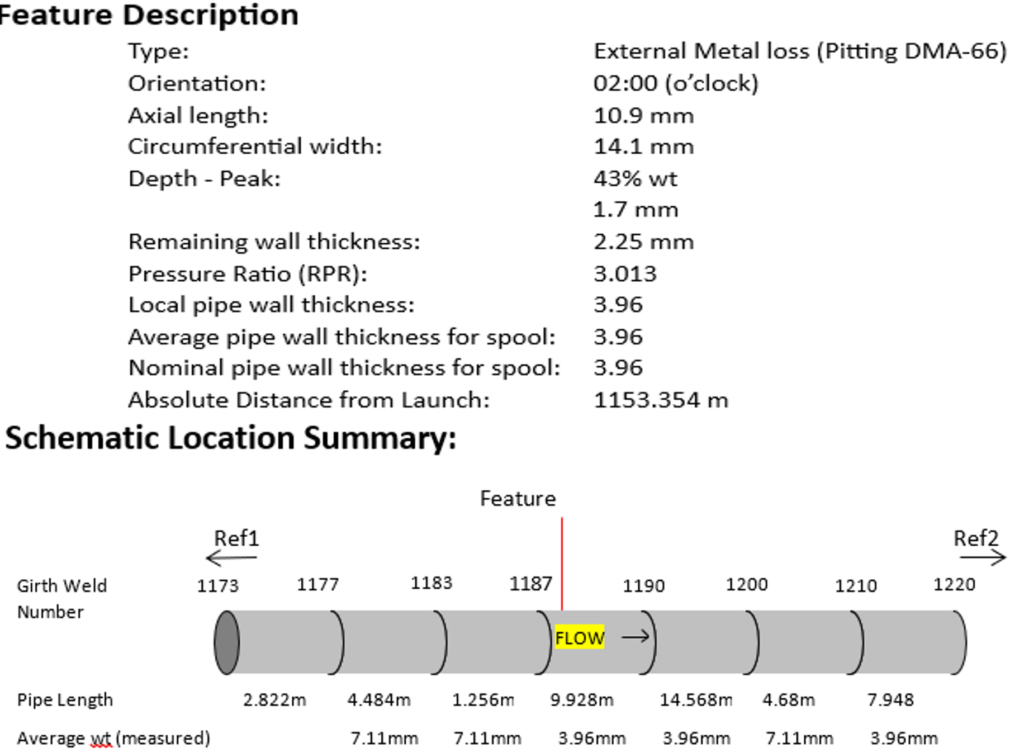
- Preparation of integrity dig sheets and excavation packages summarizing anomaly location, ILI data, expected defect characteristics, excavation limits, inspection requirements, and engineering considerations.
- Review and interpretation of ILI-reported anomalies to support dig selection, prioritization, and field planning.
- Provision of field engineering support during excavation, inspection, measurement, and repair activities.
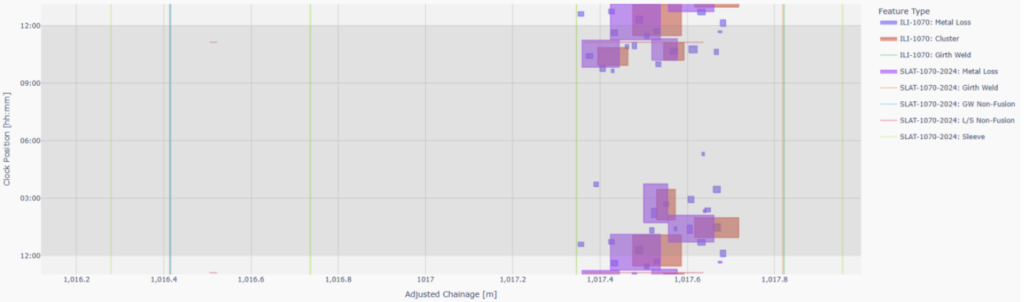
- Comparison of field measurements with ILI predictions to confirm defect type, dimensions, orientation, and severity.
- Engineering assessment of discovered features including corrosion, cracks, dents, gouges, weld anomalies, and interacting defects.
- Determination of remaining strength, allowable operating pressure, repair requirements, or suitability for continued service using applicable assessment methods.
- Support for repair selection and disposition, including grinding, composite reinforcement, sleeves, cut-outs, monitoring, or other appropriate mitigation measures.
- Documentation of field findings, engineering assessments, photographs, measurements, and repair records to maintain a complete and traceable integrity dig package.
- Integration of excavation results into the broader integrity-management program to support ILI validation, future assessments, risk evaluation, and continual improvement of integrity decisions.