Skip to content
Pipeline Crossings Analysis
- Pipeline crossings are often among the most technically challenging and site-specific components of a pipeline system, requiring assessment beyond conventional pipeline design practices.
- Crossings may include Horizontal Directional Drilling (HDD), Direct Pipe®, conventional boring, pipe jacking, microtunnelling, open-cut installations, road crossings, railway crossings, watercourse crossings, and crossings beneath existing infrastructure.
- Each crossing presents a unique combination of geometry, installation method, soil conditions, depth of cover, external loading, construction tolerances, operating conditions, and interaction with surrounding infrastructure.
- Crossing designs should be evaluated for both installation and long-term operating conditions, as the governing load case may occur during construction, pullback, pipe installation, commissioning, or subsequent operation.
- API RP 1102 ,CEPA surface loading methodologies and industry guidance may be applied to evaluate loading from vehicles and heavy equipment operating over buried pipelines.
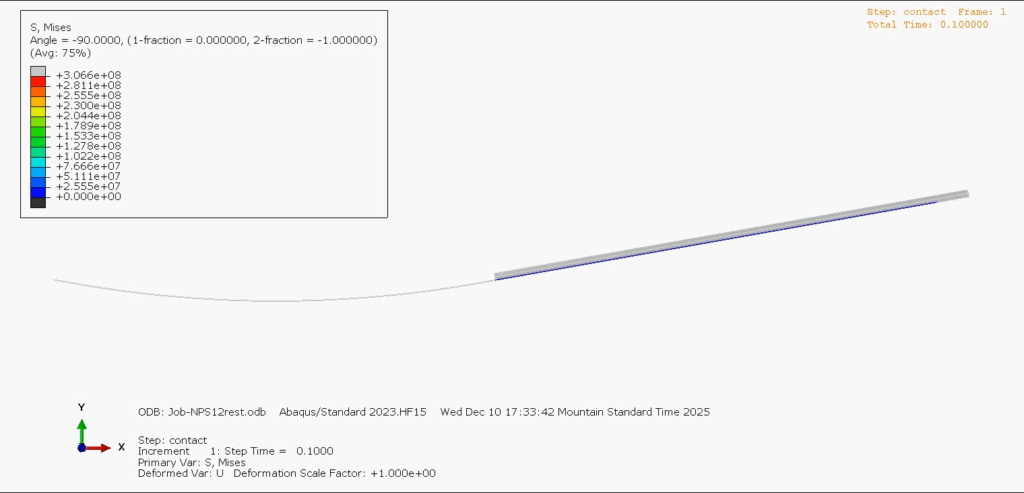
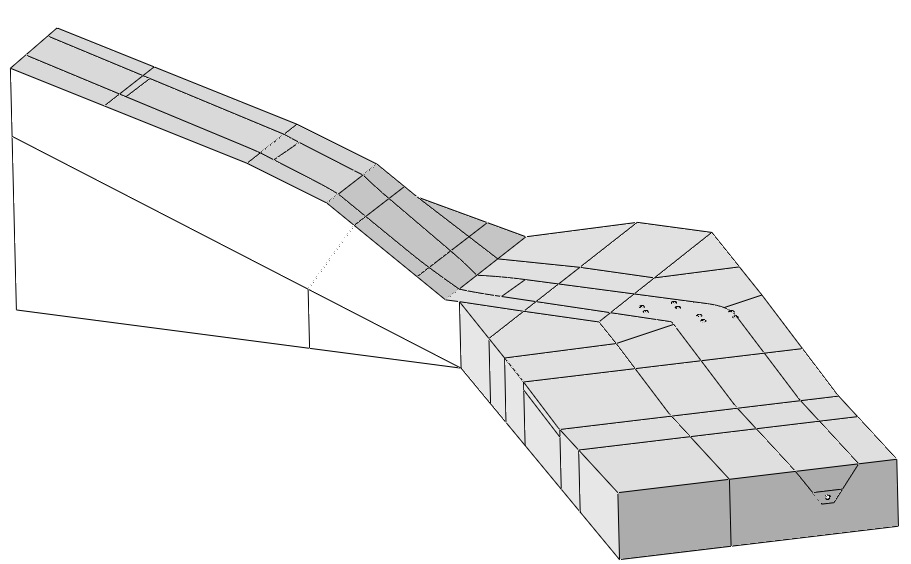
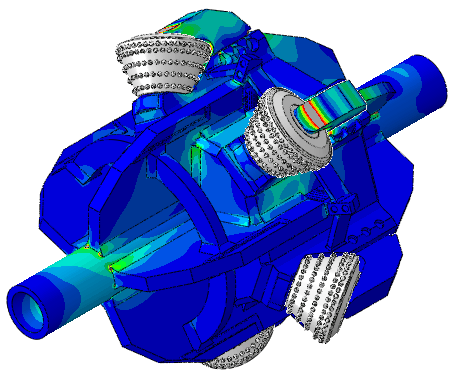
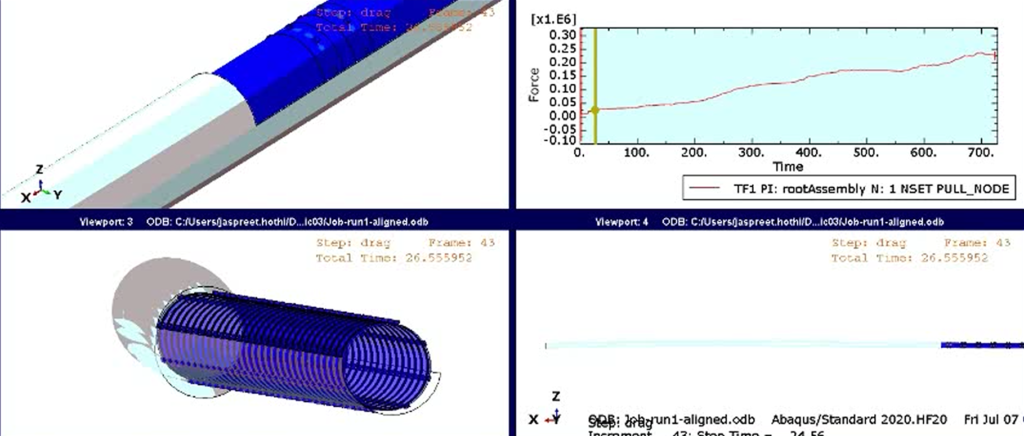
- For complex crossings where simplified analytical methods cannot adequately represent the geometry, Finite Element Analysis (FEA) can be used to develop a more detailed representation of the crossing.
- Existing crossings may require assessment where conditions have changed due to increased traffic loading, reduced depth of cover, new development, adjacent construction, ground movement, deterioration, or changes in pipeline operating conditions.